Request Request Appointment Forms Patient Forms Like Us Like us on Facebook Reviews Read Our Reviews Call Give us a Call Map View our Map

Seahurst Park Dentistry Blog

Why Napping May Be Worsening Your Sleep Apnea

Filed under: Uncategorized — spdentistry @ 6:56 am
Man, sleeping

When you’re exhausted after another restless night, taking a nap can sound like the perfect solution. However, if you have sleep apnea, relying on daytime naps to make up for lost sleep may not be the best long-term strategy. Napping can sometimes make it harder to fall asleep at night, potentially contributing to an ongoing cycle of poor sleep. Fortunately, there are ways to improve your nighttime routine and get more consistent rest. Here’s what you should know about napping, sleep apnea, and your treatment options.


Read more: Why Napping May Be Worsening Your Sleep Apnea

Can Napping Affect Sleep Apnea?

Sleep apnea causes repeated interruptions in breathing throughout the night, preventing you from getting the restorative sleep your body needs. As a result, daytime fatigue and excessive sleepiness are common symptoms.

Although a short nap can provide temporary relief, frequent or lengthy naps may reduce your natural drive to sleep at bedtime. This can make it harder to establish a consistent nighttime schedule.

However, naps aren’t necessarily harmful for everyone with sleep apnea. If you need one, try keeping it relatively short and taking it earlier in the afternoon. Most importantly, remember that naps don’t replace proper sleep apnea treatment. If you use CPAP therapy, you should wear your device during naps, too.

How Can You Improve Your Nighttime Sleep?

Developing healthier sleep habits can help you get more consistent rest and reduce your reliance on daytime naps. Consider making these adjustments:

  • Stick to a schedule: Go to bed and wake up at approximately the same time every day, including weekends.
  • Put down your phone: Blue light and stimulating content can make it harder to wind down before bedtime.
  • Keep your bed for sleeping: Avoid working, watching television, or reading in bed if these activities make it harder to associate your bedroom with rest.
  • Create a relaxing routine: Take a warm shower, listen to calming music, or practice relaxation techniques before bed.
  • Limit caffeine: Avoid consuming caffeine late in the afternoon or evening, as it can interfere with your ability to fall asleep.

These habits can support better sleep, but they won’t eliminate airway obstructions caused by sleep apnea. Consistent treatment remains essential.

What If CPAP Therapy Is Disrupting Your Sleep?

CPAP machines are a common treatment for sleep apnea, but they aren’t always comfortable or convenient. Some patients struggle with bulky equipment, uncomfortable masks, air leaks, dry mouth, nasal congestion, or noise.

Fortunately, CPAP isn’t the only option. Depending on your diagnosis and individual needs, oral appliance therapy may provide a more convenient alternative.

Could Oral Appliance Therapy Be a Better Fit?

Oral appliance therapy uses a custom-fitted, mouthguard-like device worn during sleep. It gently repositions your lower jaw forward to help keep your airway open and reduce breathing interruptions.

Unlike CPAP machines, oral appliances don’t require bulky equipment, hoses, or electrical outlets. They’re also small, portable, and easy to pack when traveling.

Oral appliances are often appropriate for patients with mild to moderate obstructive sleep apnea or those who struggle with CPAP therapy. Some patients may also benefit from using an oral appliance alongside CPAP. Your sleep specialist can help determine which approach is appropriate for your condition.

Make Restful Nights a Priority!

You deserve more than a quick afternoon nap to get through the day. With healthy sleep habits and an effective treatment plan, you can work toward more restorative nighttime sleep.

About the Practice

Seahurst Park Dentistry provides comprehensive dental care in Burien, Washington, with an emphasis on personalized treatment and lasting patient relationships. Led by Dr. David Thomas, DMD, the practice offers preventive, restorative, cosmetic, and sleep apnea treatments, including oral appliance therapy. Dr. Thomas earned his dental doctorate from the University of Pittsburgh and completed an Advanced Education in General Dentistry residency at Maricopa Institute of Health Services Hospital in Phoenix, Arizona. He enjoys helping patients feel comfortable while providing thoughtful, individualized care.

Call us at (206) 244-4622 or schedule your appointment online
Exploring The Link Between Sleep Apnea and Anxiety

Filed under: Uncategorized — spdentistry @ 6:15 am
Man lying in bed looking frustrated

A restless night can affect much more than your energy the next morning. If you regularly wake up feeling exhausted, irritable, or on edge, you may wonder whether your sleep and your mental well-being are connected. For people living with sleep apnea, there may be a relationship between disrupted sleep and symptoms of anxiety.

Sleep apnea is a sleep disorder that causes repeated interruptions in breathing during the night. These interruptions can prevent you from getting the restorative sleep your body needs. Anxiety, meanwhile, can make it difficult to relax and fall asleep. Because each condition can interfere with healthy sleep, understanding their potential connection is important.

(more…)

Treatment Timelines: How Long Do Cosmetic Services Take?

Filed under: Uncategorized — spdentistry @ 2:13 pm
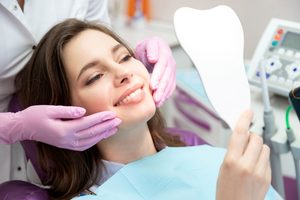
Woman in dental chair smiling into mirror with dentist touching her chin

You’re not alone if you feel self-conscious about dental flaws and want to enhance your appearance. Every year, hundreds of thousands of people spend billions of dollars on cosmetic dental procedures to improve their look and boost their confidence.

But it’s natural to have questions about these elective services, such as how long it’ll likely take to see the intended outcome. Continue reading to learn about 3 popular cosmetic procedures and their typical timelines, so you know more about what to expect!

(more…)

5 Reasons Why Professional Teeth Whitening Is Better

Filed under: Uncategorized — spdentistry @ 1:03 pm
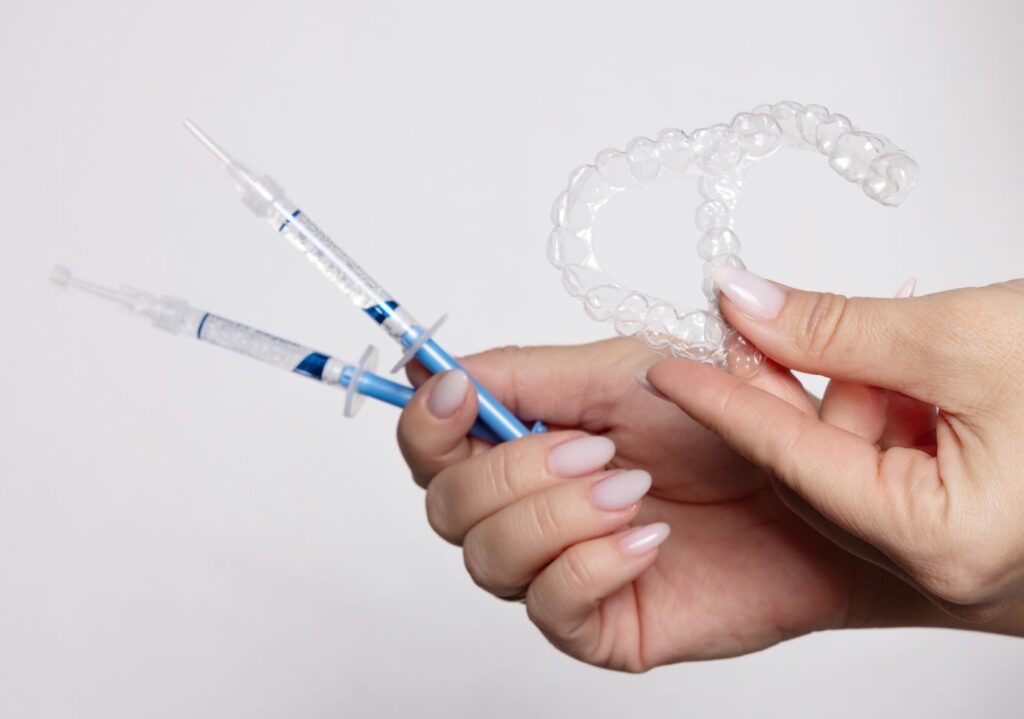
A woman holding a professional teeth whitening kit.

Are your pearly whites not looking as bright as you’d like? Do you have deep stains or discoloration on your teeth that don’t seem to budge no matter how much you brush and floss? Have you tried over-the-counter white strips, gels, or special toothpastes, all without noticeable changes? A take-home kit from your dentist could be the solution to your whitening woes. Here’s a closer look at some of the benefits of professional treatment, and why when it comes to improving your gorgeous grin your dentist should be your first stop!

(more…)

4 Foods to Avoid After Getting Your Teeth Whitened

Filed under: Uncategorized — spdentistry @ 4:37 pm
Cup of coffee.

Professional teeth whitening is one of the fastest ways to achieve a brighter, more confident smile. However, what you eat in the first 24 to 48 hours after treatment can have a significant impact on your results. Immediately after whitening, your teeth are more susceptible to absorbing pigments from foods and beverages. Many dentists recommend following a “white diet” during this period, choosing light-colored foods that are less likely to stain your freshly whitened teeth.

To help protect your investment, here are 4 foods and drinks you should avoid after teeth whitening.

(more…)

The Truth About Veneers: Do They Make Your Teeth Sensitive?

Filed under: Uncategorized — spdentistry @ 8:19 pm
woman receiving veneers

Tooth sensitivity is one of the most common concerns patients have when considering veneers. Although the desire for a brand-new, fully transformed smile is strong, the prospect of sharp pain each time you eat or drink may make you rethink your decision. Before you give up on this widely popular treatment, discover the truth about veneers and what to expect.

(more…)

Coffee and Veneers: A Perfect Pairing or Smile Enemies?

Filed under: Uncategorized — spdentistry @ 9:38 am
Milk being poured in coffee to create latte art

For many people, coffee is a daily ritual they simply can’t live without. Unfortunately, coffee is also well known for staining natural teeth over time. So if you’ve invested in veneers to achieve a brighter, more polished smile, you may wonder whether your favorite drink will discolor them too.

The good news is that veneers are much more stain-resistant than natural enamel. However, that doesn’t mean they are completely stain-proof. Understanding how veneers react to coffee and how to care for them properly can help you keep your smile looking beautiful for years to come.

(more…)

I Lost a Tooth in the Back of My Mouth; Should I Replace It?

Filed under: Uncategorized — spdentistry @ 7:27 pm
Lady thinks something over

Tooth loss is a common problem that can make a person shy or embarrassed about smiling or laughing, but you may wonder why you should worry about replacing a tooth that is too far back in the mouth for most people to see. Restoring a lost molar or premolar can deliver a wide range of oral and overall health benefits, so it’s usually a great idea to replace them soon after losing them. Here’s a quick look at why it’s important to restore lost teeth even if they can be hard to see.

(more…)

Why You Shouldn’t Wait Too Long to Replace Missing Teeth

Filed under: Uncategorized — spdentistry @ 1:45 am
Dentist showing patient dental implant

Missing teeth can impact more than just your smile—they can affect chewing, speech, and even your confidence. If you’ve gone several years without replacing a tooth, you might wonder whether dental implants are still an option. The good news is that in many cases, the window for implant placement isn’t closed, and there are solutions to help restore your smile.

(more…)

4 Ways Tooth Loss Can Change Your Face Shape

Filed under: Uncategorized — spdentistry @ 4:40 pm
Man holding tooth in one hand and face in other.

Tooth loss affects more than just your smile. Missing teeth can lead to noticeable changes in facial appearance over time. Teeth play an important role in supporting facial muscles, maintaining jawbone strength, and preserving overall facial structure. When teeth are lost and not replaced, the face can gradually change shape, often making a person appear older. Understanding these changes highlights the importance of seeking restorative dental treatment when teeth are missing.

(more…)
Older Posts »